What Is HRV? Heart Rate Variability Explained: How To Measure, Track, and Improve Your HRV Score
Listen to the post, HRV Explained: The One Recovery Metric Every Man Over 35 Needs To Know (And How To Improve It), on our Live Lean TV Podcast. Don’t forget to subscribe to the podcast!
My HRV Hit 44 At 40. Here’s How I Raised It To 74 (Heart Rate Variability Explained)
Most guys in their 30s and 40s are training hard, eating clean, and still wondering why they’re tired, stressed, and not recovering the way they used to.
The missing piece?
One number on your wrist or finger that most people completely ignore.
Advertisement
It’s called HRV, or heart rate variability, and once you understand it, you’ll never think about recovery, training, or stress the same way again.
On today’s episode of Live Lean TV, I’m going to break down exactly what HRV is, how to measure it, how to use it to guide your training, and two simple breathing techniques that can boost your HRV starting tonight.
To be respectful of your time, I’ve included timestamps to each section in the description below.
Table Of Contents – Jump To Links:
- What Is Heart Rate Variability? HRV Explained Simply
- HRV Training: How To Train Based On Your HRV Score
- Measuring Your HRV: What A High vs Low HRV Score Is Really Telling You
- How To Improve Your HRV With Vagus Nerve Stimulator Device (Nuropod / Nurosym)
- What Is HRV Breathing? The Science Behind Resonance Breathing
- The Best HRV Breathing Techniques For Morning And Night
- Bottom Line
First up, let’s break down exactly what HRV is and why it matters.
What Is Heart Rate Variability? HRV Explained Simply
If you’re over 35 and serious about your health, this one number could be the most important metric you’re not tracking.
HRV, or heart rate variability, is simply the tiny time gap between each heartbeat.
Here’s the thing most people don’t know: your heart isn’t supposed to beat like a metronome.
Having a bigger gap between beats is actually a good thing.
This means your nervous system is recovered, balanced, and ready to perform.
When you have a smaller gap between beats, that’s your body whispering, “I’m stressed, I’m tired, and I need a break.”
Think of HRV like a battery indicator for your body:
- High HRV = fully charged.
- Low HRV = running on empty.
Now let’s talk about how to actually use your HRV score to train smarter.
HRV Training: How To Train Based On Your HRV Score
What if your body could tell you exactly how hard to train today?
It can, but you’re probably ignoring it.
HRV based training is exactly what it sounds like.
You let your HRV score guide your training plan and intensity each day.
Here’s how it works in practice.
A High HRV Score Indicates:
Your nervous system is recovered and ready.
Push hard.
This is your green light day.
A Low HRV Score Indicates:
Your body is still under stress.
Forcing a hard workout today won’t make you stronger, it’ll just dig you into a deeper hole.
This is your day for:
- a walk
- HRV breathing
- meditation
- yoga
- mobility
- light movement
This isn’t about being soft.
Advertisement
This is about being smart.
The best athletes in the world train this way because they understand that recovery is where the results actually happen.
Remember, the goal isn’t to always train hard.
The goal is to train right, and your HRV tells you which day is which.
Next, let’s look at what your HRV number actually means and how to measure it.
Measuring Your HRV: What A High vs Low HRV Score Is Really Telling You
My HRV averaged an all time low of 44 over 5 years ago on my 40th birthday.
Here’s what that number was actually telling me and what a good HRV score even looks like.
HRV is measured in milliseconds and tracked automatically overnight by devices like your Apple Watch, Garmin, WHOOP, or Oura Ring.
The morning HRV reading most accurately reflects your true recovery and readiness for the day ahead.
So what’s considered high or low?
Here’s a simple breakdown.
Under 40 is generally a sign your body is under significant stress, poor recovery, or declining health.
In 2020, I was close to this with an average monthly HRV score of 44.
I was overstressed, under-recovered, and my body was showing it.
40 to 70 is average for most men in their 30s and 40s.
70-100+ is where you want to be.
That’s a sign your nervous system is strong, your recovery is dialed in, and your body is functioning at a high level.
My monthly average today at 45 years old?
74.
And I’m still working to push it higher.
The number itself matters less than your personal trend over time.
Remember, you’re not competing with anyone else’s HRV.
You’re competing with yesterday’s version of you.
How To Improve Your HRV With Vagus Nerve Stimulator Device (Nuropod / Nurosym)
Now, everything I’ve talked about today, your HRV, your nervous system, your recovery, it all comes back to one thing: your vagus nerve.
And that’s exactly why I want to tell you about today’s sponsor, Nuropod.
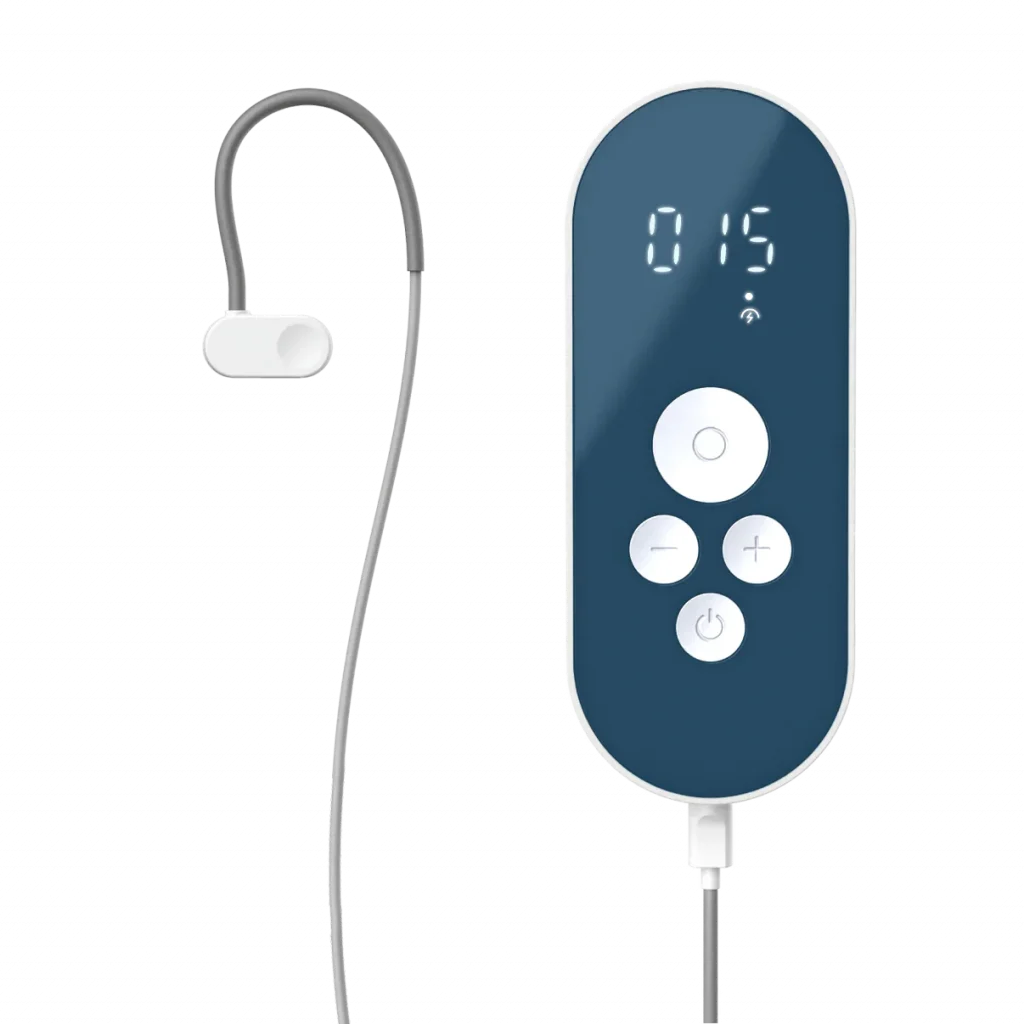
Nuropod is the world’s most studied wearable vagus nerve stimulator and it fits right on your ear.
Here’s why this matters.
When your nervous system is stuck in fight-or-flight mode, rest alone isn’t enough.
Chronic stress tanks your HRV, wrecks your sleep, and keeps your body in a constant state of inflammation.
Nuropod sends gentle, scientifically validated electrical signals through your vagus nerve to flip that switch from stressed to recovered.
And the results are serious.
Studies show a:
- 35% reduction in anxious thoughts
- 48% drop in fatigue
- 18% increase in HRV
That last one is the reason it fits perfectly into everything we’ve talked about today.
I’ve been using Nuropod for over 8 months, and it’s one of the reasons why my HRV has improved by over 30% during that time.
Nuropod has been studied in over 50 peer-reviewed studies in collaboration with institutions like Harvard and UCLA.
This isn’t a gimmick, this is real science.
Use my exclusive discount link to get 10% off automatically applied at checkout during this promo.
You can try it with a 30 day money back guarantee.
Thank you Nuropod for helping me regulate my nervous system and increase my HRV.
Now let’s talk about one of the most powerful and underrated tools for improving your HRV, and it’s completely free.
What Is HRV Breathing? The Science Behind Resonance Breathing
What if I told you that you could boost your HRV in just 5 minutes, using nothing but your breath?
Here’s something wild: the way you breathe directly controls your HRV.
There’s a technique called HRV breathing, or resonance breathing, and the science behind it is simple.
When you slow your breathing down to about 5, 5.5, or 6 breaths per minute, your heart rate and nervous system sync up, and your HRV shoots up almost instantly.
Researchers like Andrew Huberman have talked about this breathing technique extensively because of how powerful it is for calming your nervous system and improving recovery.
The best part?
No equipment.
No gym.
Just your breath.
Alright, here are the two specific breathing patterns I use and recommend.
The Best HRV Breathing Techniques For Morning And Night
Here are the two HRV breathing techniques I recommend for busy guys who want to recover faster and sleep better.
Morning HRV breathing is best for improving your baseline HRV score over time.
The most popular morning HRV breathing pattern includes an:
- Inhale for 5 seconds
- Exhale for 5 seconds
Do this for 5-10 minutes in the morning to set a calm, focused tone for your day.
Nighttime HRV breathing is best for winding down your nervous system and improving sleep quality.
Before bed, try the 4-in, 6-out HRV breathing pattern for 5-10 minutes:
- Inhale for 4 seconds
- Exhale for 6 seconds
A simple way to boost your HRV throughout the day is to intentionally extend your exhale.
That longer exhale activates your parasympathetic nervous system, basically your body’s rest and recover mode, which primes you for deep, high quality sleep and a higher HRV score by morning.
To stay consistent with my breathing exercises, I like to follow 5-10 minute guided HRV breathing videos on YouTube.
Do this 5 to 10 minutes a day and you will move the needle on your HRV over time.
Bottom Line
Alright, now you know exactly what HRV is, how to measure it, how to train around it, and how to improve it starting today.
This is the kind of science that separates guys who just work hard from guys who work smart, and that’s exactly what Living Lean is all about.
And if you want to take your HRV and nervous system recovery to the next level, check out Nuropod using my exclusive discount link for 10% off.
It’s been a game changer for my recovery and it can be for yours too.
If you got value from this post, subscribe to my Live Lean TV YouTube channel so you never miss content like this.
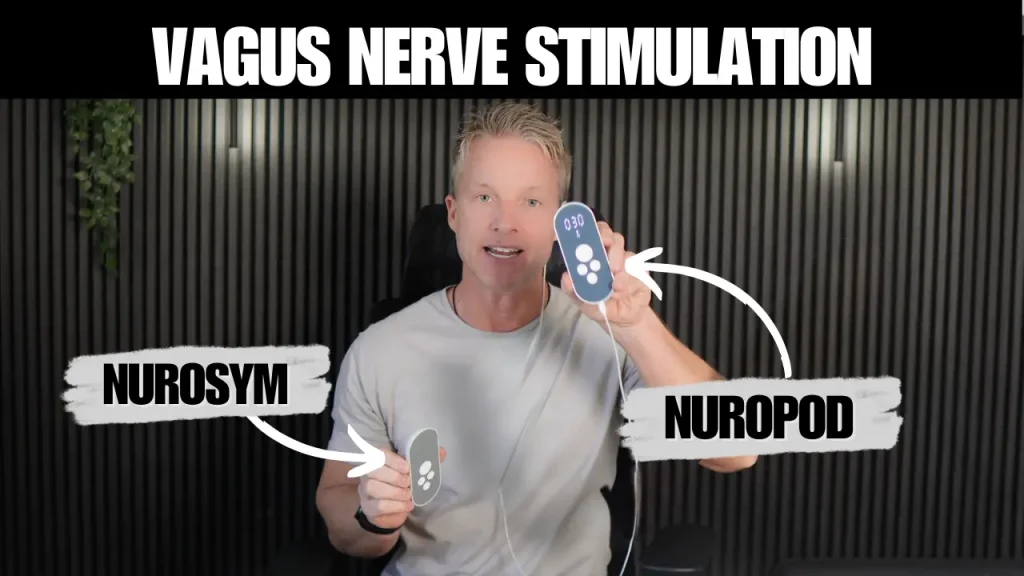
And if you want to go deeper on recovery and performance, check out this video where I compare Nuropod vs Nurosym next.
Keep Living Lean.
BROWSE MORE EXERCISES TO LIVE LEAN!

Brad Gouthro is the founder of Live Lean TV, a media company focused on helping men and women “Live Lean” 365 days a year. Brad’s programs and content have helped millions of people all over the world learn how to get in shape, and more importantly, sustain it for life.
4 responses to “What Is HRV? Heart Rate Variability Explained: How To Measure, Track, and Improve Your HRV Score”