Why Stress Is Sabotaging Your Fat Loss (Nervous System Regulation Techniques That Help)
Listen to the post, Why Stress Causes Belly Fat (And How To Regulate Your Nervous System), on our Live Lean TV Podcast. Don’t forget to subscribe to the podcast!
How To Use Nuropod For Nervous System Regulation and Reducing Cortisol
If you’re eating clean, training hard, and still can’t lose belly fat, the problem might not be your diet or workouts.
It might be the stress hormone cortisol.
In today’s episode of Live Lean TV, I’m breaking down how chronic stress affects your body and why it can lead to something often called “cortisol belly”, even if you’re in a calorie deficit.
Advertisement
Then I’ll show you the best science-backed techniques to regulate your nervous system including one tool I personally use for vagus nerve stimulation.
If you want to improve your health, sleep, and body composition, it’s time to get your body out of stress mode.
To be respectful of your time, I’ve included a table of contents to all the sections below.
Table Of Contents – Jump To Links:
- Cortisol Effects On The Body: Why Stress Causes “Cortisol Belly”
- How The Nervous System Controls Cortisol And Stress Hormones
- How To Use Nuropod For Vagus Nerve Stimulation And Stress Management
- Meditation Music For Nervous System Regulation
- Nervous System Regulation Breathwork Exercise: 4-6 Breathing
- Nervous System Regulation Breathwork Exercise: Cyclic Sighing
- Nervous System Regulation Yoga Exercises: How Slow Yoga Helps Reduce Stress
- How Poor Sleep Increases Stress And Cortisol: The Nervous System Feedback Loop
Let’s start by looking at cortisol effects on the body, including why stress causes “cortisol belly”.
Cortisol Effects On The Body: Why Stress Causes “Cortisol Belly”
One of the biggest hidden fat loss blockers is the stress hormone cortisol.
Cortisol is your body’s built-in alarm system.
When stress stays high all day from work pressure, poor sleep, anxiety, or even too much training, cortisol’s effects on the body starts working against you.
One of the biggest places it shows up is your belly fat, which is why it’s often called cortisol belly.
This is when your body stores more fat around your midsection because it thinks you’re under constant stress and need extra energy to survive.
If your stubborn belly fat isn’t responding to diet and exercise, stress might be the missing piece.
One way I’ve been supporting my nervous system is through vagus nerve stimulation using Nuropod, which I’ll share later in this post.
But before that, let’s talk about how the nervous system controls cortisol and stress hormones.
How The Nervous System Controls Cortisol And Stress Hormones
You may think fat loss is only about calories and workouts, but your nervous system helps regulate the hormones that influence fat loss.
Your nervous system has two main modes.
The first is your sympathetic nervous system, also known as fight or flight.
This is your body’s stress mode.
When this system is activated, your brain signals your adrenal glands to release cortisol.
That’s helpful for short bursts of energy.
But if you’re constantly stressed from work pressure, poor sleep, overtraining, or anxiety, your nervous system stays stuck in fight-or-flight, which keeps cortisol elevated.
The other mode is your parasympathetic nervous system, also known as rest and recover.
When this system turns on, your body can relax, repair, improve sleep, and naturally regulate cortisol levels.
I’ve noticed that when I prioritize nervous system regulation techniques my stress levels drop and my body gets much better results from training.
Let’s jump into one of the most powerful tools I use to regulate my nervous system, my Nuropod vagus nerve stimulator.
How To Use Nuropod For Vagus Nerve Stimulation And Stress Management
If your nervous system is stuck in stress mode, stimulating your vagus nerve with this device can help shift your body back into recovery mode.
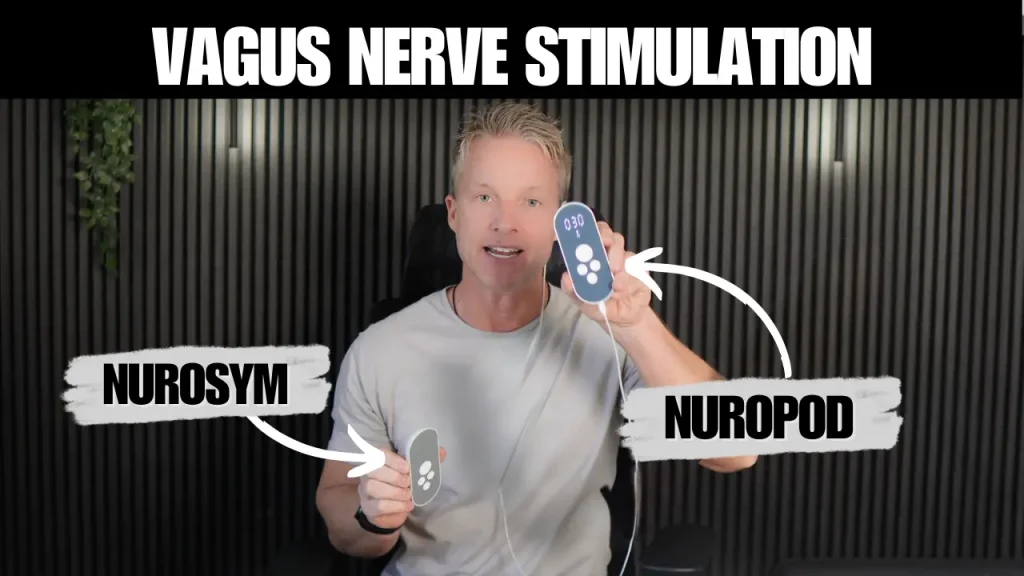
You may have seen this vagus nerve stimulator device featured in Bryan Johnson’s Netflix documentary, Don’t Die.
It’s called Nuropod or Nurosym in some parts of the world, and I’m proud to say they are the sponsor of today’s post.
I’ve been consistently using it for over six months, and my Apple Watch shows my heart rate variability (HRV), which is a marker of nervous system recovery, has improved by over 30%.
Your vagus nerve is one of the main communication pathways between your brain and your nervous system.
When it’s activated, it helps turn on your parasympathetic nervous system responsible for relaxation and recovery.
This vagus nerve stimulator device gently stimulates the vagus nerve through the ear.
Advertisement
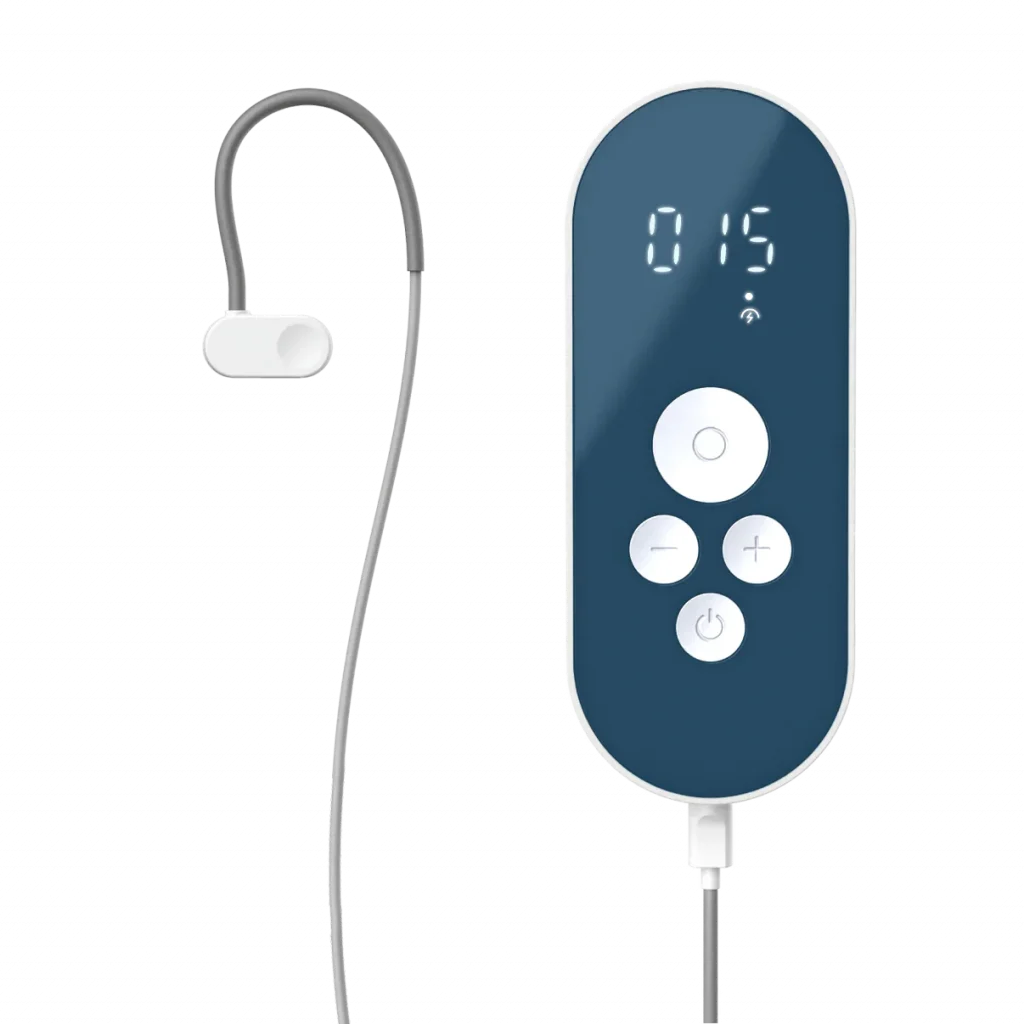
By activating the vagus nerve, you help signal to your brain that it’s safe to relax, which can support nervous system regulation and stress management.
I like using it for 30 minutes while I’m winding down in the evening, as well as for 30 minutes earlier in the day during my breathwork, reading, meditation, or when recovering after a workout.
It’s an easy and effortless way to support your nervous system health.
Here’s a discount link to Nuropod or Nurosym if you want to check it out.
The discount is automatically added at checkout.
Meditation Music For Nervous System Regulation
If your brain feels like it never shuts off, meditation music or repeating affirmations may be one of the most powerful ways to regulate your nervous system and help lower cortisol.
Listening to calming music, meditation sounds, or relaxing frequencies helps calm my mind and makes it easier for me to slow my breathing.
This supports my nervous system when I need to get centered in the morning, take a quick mid-day reset, or wind down at night.
If you’re new to it, you can find free nervous system regulation music or subliminal meditation tracks on YouTube.
Some people even find listening to ASMR helps calm their nervous system.
Even just 5–10 minutes of listening can help bring your body back into balance.
Next, let’s look at another powerful way to regulate stress via nervous system regulation breathwork exercises.
Nervous System Regulation Breathwork Exercise: 4-6 Breathing
One of the fastest ways to calm your nervous system and lower stress is simply changing the way you breathe.
One of my favorite nervous system regulation breathwork exercises is simple 4-6 breathing:
- Inhale through your nose for 4 seconds.
- Then slowly exhale for 6 seconds.
- That longer exhale sends a signal to your brain that it’s safe to relax.
- Repeat for 3-5 minutes.
While I’m doing this, I like to wear my Nuropod, which can further stimulate vagus nerve activation.
When you’re stressed, your breathing becomes fast and shallow, which keeps your body stuck in fight or flight mode and can keep cortisol elevated.
But slow breathing does the opposite by calming the nervous system.
Next, let’s look at another powerful breathing technique called cyclic sighing.
Nervous System Regulation Breathwork Exercise: Cyclic Sighing
Another powerful breathwork technique for nervous system regulation is called cyclic sighing.
This technique has been highlighted by Stanford researchers and Andrew Huberman as one of the most effective breathing patterns for quickly reducing stress.
Here’s how to do cyclic sighing:
- Take a deep inhale through your nose.
- Pause.
- Then take a second short inhale to fully expand your lungs.
- Then slowly exhale through your mouth with a sigh.
- Repeat for approximately 5 minutes.
That long extended exhale combined with wearing my Nuropod helps stimulate the vagus nerve, to shift my body out of fight or flight mode and into rest and recover mode.
I also love 4-7-8 breathing for anxiety, sleep, and stress.
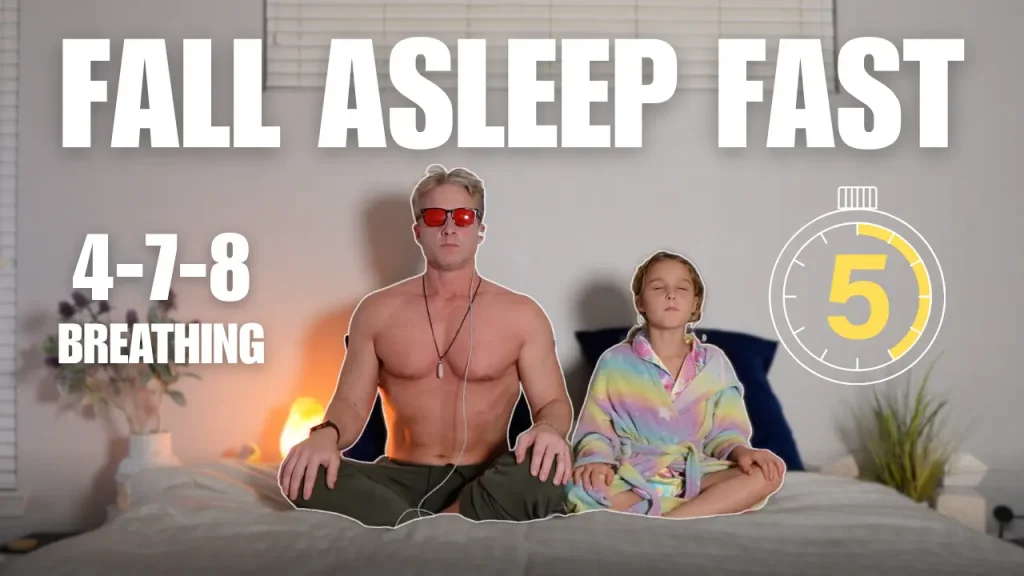
Next, let’s look at another powerful way to calm your nervous system: slow, restorative forms of yoga.
Nervous System Regulation Yoga Exercises: How Slow Yoga Helps Reduce Stress
If your body feels constantly tense or stressed, slower forms of yoga like yin yoga, restorative yoga, and gentle hatha yoga are especially powerful for nervous system regulation.
These styles focus on slow movements, deep breathing, and holding relaxed positions, which helps activate your parasympathetic nervous system, your body’s recovery mode.
When this system turns on, your heart rate slows, your muscles relax, and your body can naturally bring stress hormones like cortisol back into balance.
In addition to doing mobility work after my workouts, I also dedicate a my full Sunday workout to restorative yoga.
Next, let’s talk about how poor sleep increases stress and cortisol.
How Poor Sleep Increases Stress And Cortisol: The Nervous System Feedback Loop
Stress can ruin your sleep, but poor sleep can also increase your stress.
It’s a vicious cycle.
One way I like to wind down at night is using my Nuropod for 30 minutes before bed.
This helps me relax while my body transitions into sleep.
When you don’t sleep well, your body stays stuck in sympathetic nervous system mode, also known as fight or flight.
That keeps stress hormones like cortisol elevated, which raises your heart rate and blood pressure.
In fact, after a poor night of sleep, your resting heart rate is typically higher and your heart rate variability (HRV) is lower, which are both signs your body is under more stress.
Over time, chronic sleep deprivation can even increase the risk of cardiovascular issues and negatively affects metabolism.
For example, stress hormones can cause the liver to release more glucose into the bloodstream, while making your muscles and fat cells less responsive to insulin.
That’s called stress-induced insulin resistance.
This is why getting 7-8 hours of quality sleep is one of the most powerful ways to regulate your nervous system and support overall health.
Bottom Line
If there’s one big takeaway from this post, it’s this:
Your body can’t fully recover, burn fat efficiently, or function optimally if your nervous system is stuck in fight or flight mode.
When you consistently follow the nervous system regulation techniques from this post, your stress levels can drop and your body may become more responsive to training and nutrition.
And as I mentioned earlier, one of the tools I’ve been using consistently to support my nervous system is Nuropod.
If you want to check it out, here’s a discount link to Nuropod and Nurosym.
If you found this post helpful, make sure you click the social media buttons to share it and subscribe to the Live Lean TV YouTube channel.
Keep Living Lean.
BROWSE MORE EXERCISES TO LIVE LEAN!

Brad Gouthro is the founder of Live Lean TV, a media company focused on helping men and women “Live Lean” 365 days a year. Brad’s programs and content have helped millions of people all over the world learn how to get in shape, and more importantly, sustain it for life.