Why Poor Sleep is Destroying Your Body (The Metabolic & Hormonal Cost)
Listen to the post, Sleep Deprivation: The Metabolic & Hormonal Cost of Poor Sleep, on our Live Lean TV Podcast. Don’t forget to subscribe to the podcast!
Sleep Is Silently Destroying Your Health
You can eat clean, train hard, and still be destroying your health.
And most people have zero idea it’s happening every single night.
I’m talking about sleep.
Advertisement
Not the feel-good kind of tired.
I mean the kind of chronic, low-quality sleep that’s quietly wrecking your long-term health, tanking your metabolism and hormones, and ruining your ability to perform in the gym and in your career.
As a 45-year-old dad, I had to figure this out the hard way.
And what I found completely changed how I approach recovery.
In today’s episode of Live Lean TV, I’m breaking down exactly what’s happening inside your body when you don’t sleep enough, and trust me, the science on this is alarming.
To be respectful of your time, I’ve included timestamps to each section in the description below.
Table Of Contents – Jump To Links
It only takes one bad night to feel the damage.
One Bad Night Of Sleep Makes You Weaker
Even one bad night of sleep is enough to make you measurably weaker, slower, and more likely to get injured.
We’re talking a drop in VO2 max, a drop in one-rep max strength, reduced endurance and cognitive performance.
One. Single. Night.
So if you’re skipping sleep to fit in more training, you’re actively working against yourself.
Here’s the brutal reality: your body does not care how hard you trained if you didn’t recover.
Sleep isn’t a reward for your workout, it IS the workout.
Now let’s talk about what poor sleep is doing to your hormones.
Poor Sleep Tanks Your Testosterone
Poor sleep doesn’t just make you tired, it literally tanks your testosterone.
Sleep deprivation drives up cortisol, your stress hormone, while suppressing testosterone.
For guys in their 30s and 40s who are already dealing with natural testosterone decline, this is a double hit.
You can’t out-supplement bad sleep.
And it doesn’t stop there.
If you’re tracking your metabolic health, this one hits different.
Sleep Deprivation Causes Insulin Resistance
Sleep deprivation can increase insulin resistance by up to a third, in otherwise healthy people.
Poor sleep also elevates insulin levels and triglycerides, creating a hormonal environment that fights every goal you have in the gym and in life.
That means your body is less able to process carbohydrates, more likely to store body fat, and moving toward metabolic dysfunction, including type 2 diabetes.
If you’re using a CGM and seeing elevated overnight glucose, that’s almost always excess cortisol at work.
Chronic poor sleep is one of the fastest ways to derail your metabolic health, regardless of what you’re eating.
Ever wonder why you can’t stop eating the day after a bad night?
Here’s why.
Why You’re Starving After Bad Sleep
Do you ever feel ravenously hungry the day after a bad night of sleep?
It’s not willpower, it’s your hormones betraying you.
Advertisement
Sleeping only five hours suppresses leptin, which is the hormone that tells your brain you’re full, while spiking ghrelin, which is your hunger hormone.
The result?
You spend the next day craving high-calorie, sugary foods and fighting cravings that feel completely irrational.
But they’re not irrational.
Your biology is driving them.
If fat loss is the goal, sleep is a non-negotiable tool, not an afterthought.
A Science-Backed Approach To Restorative Sleep For Sleep-Deprived Parent
Real talk.
If you’re a parent like me, you already know what sleep deprivation feels like.
You’re up late, mind still racing, running on fumes the next day.
As a dad of two young kids, that was me too.
And look, I’ve tried a lot of things to improve my sleep.
But one of the tools that’s actually stuck for me over the last 9 months is today’s video sponsor, Nuropod.
Nuropod is a vagus nerve stimulator.
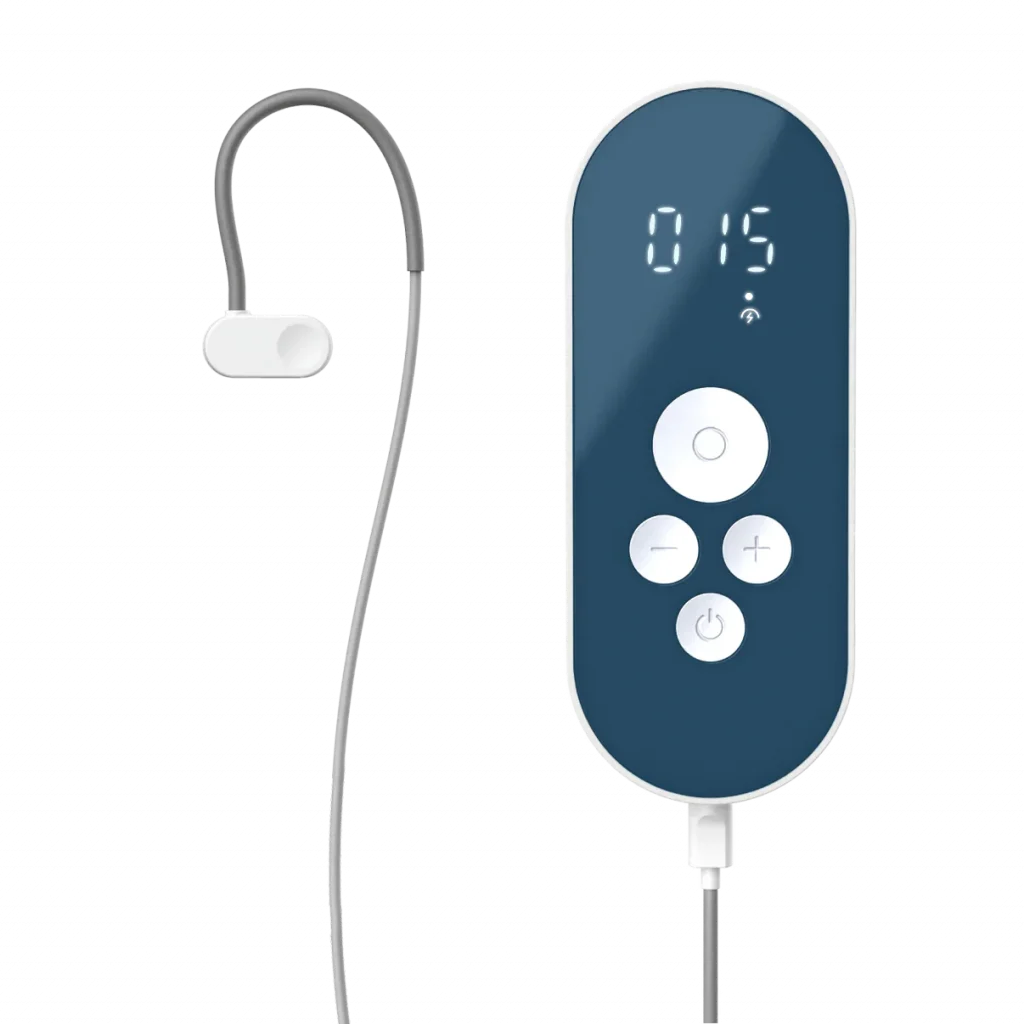
Now I know that sounds super scientific, so let me break it down in plain English.
Your vagus nerve is your body’s built-in off switch for stress.
When it’s activated, it tells your nervous system to calm down, lower cortisol, and shift out of fight-or-flight mode.
Nuropod can help you do that in just 30 minutes a day.
I’ve been using Nuropod every day for the last 9 months and the results speak for themselves.
My HRV, which is a measure of nervous system recovery, went from 51 ms to 85 ms.
That’s a 67% improvement in 9 months.
On top of that, the anxious thoughts I used to get while lying in bed?
Way more manageable.
Better HRV, better sleep quality, and a nervous system that’s actually ready to rest rather than still wired from the day.
If you’re a sleep-deprived parent looking for a science-backed way to sleep better, rest deeper, and actually wake up feeling human again, this is worth trying.
It also makes a genuinely smart gift for any parent in your life who’s running on empty.
Here’s a Nuropod discount link to get 10% off, automatically applied at checkout.
So how much sleep do you actually need?
The answer might surprise you.
You Need More Sleep Than You Think
Most people think they’re fine after six hours of sleep.
The research disagrees, hard.
The optimal sleep target is 7.5 to 8.5 hours per night.
Not just lying in bed.
Actually sleeping.
That’s the window where your body can complete enough sleep cycles to do the repair work it needs.
Less than that on a consistent basis and you’re operating in a state of chronic under-recovery.
And here’s the kicker.
Most people can’t even accurately tell when they’re impaired from sleep deprivation.
You just adapt to feeling bad.
And if you think this poor sleep is just about feeling tired, it’s not.
The long-term stakes are much higher.
Poor Sleep Leads to Type 2 Diabetes
Getting good sleep isn’t just a way to optimize your workout performance, chronic sleep deprivation is a direct path toward type 2 diabetes.
The link between poor sleep and metabolic dysfunction is well established.
Elevated insulin, high triglycerides, insulin resistance, these aren’t just numbers on a lab test.
They’re the building blocks of type 2 diabetes and cardiovascular disease.
Sleep is literally a metabolic intervention.
So treat it like one before it’s too late.
Bottom Line
That’s the metabolic and hormonal cost of sleep deprivation.
Now you know what’s actually at stake.
If you’re ready to start improving your sleep and recovery tonight, check out Nuropod using my link to get 10% off automatically applied at checkout.
In an upcoming video, I’m getting into how to build the perfect sleep environment and the exact setup I use to protect my sleep quality every single night.
Hit subscribe so you don’t miss it and drop a comment telling me your biggest sleep struggle.
If this hit home, hit the like button and share it with someone who needs to hear it.
To continue your Live Lean journey, go check out this video next where I go deeper on the ways I used to improve my HRV score.
Thanks for watching and keep Living Lean.
BROWSE MORE EXERCISES TO LIVE LEAN!

Brad Gouthro is the founder of Live Lean TV, a media company focused on helping men and women “Live Lean” 365 days a year. Brad’s programs and content have helped millions of people all over the world learn how to get in shape, and more importantly, sustain it for life.
5 responses to “Why Poor Sleep is Destroying Your Body (The Metabolic & Hormonal Cost)”